The Florida Wildlife Hospital: forty years of native wildlife rehabilitation in Brevard County
Founded in Titusville in 1973, the Florida Wildlife Hospital has treated tens of thousands of injured native animals from across central Florida. It's one of the longest-running independent wildlife rehab centers in the state.
The Florida Wildlife Hospital was founded in Titusville in 1973 by a small group of central Florida residents concerned about the lack of veterinary care for injured native wildlife in the region. Operating from a leased site north of Titusville for its first several decades and from a purpose-built facility since the 1990s, the hospital has treated over a hundred thousand injured native animals over its operating history. It’s one of the longest-running independent wildlife rehabilitation centers in Florida and serves the central Florida region from Volusia County south through Indian River County.
The hospital is a nonprofit 501(c)(3) organization with permanent staff veterinarians, licensed wildlife rehabilitators, and a large volunteer base. It operates under permits from both the Florida Fish and Wildlife Conservation Commission (state) and the U.S. Fish and Wildlife Service (federal) for the care of protected species.
What the hospital treats
The Florida Wildlife Hospital admits injured, orphaned, or sick native Florida wildlife brought to the facility by the public, by state wildlife officers, or by partner organizations. Annual intake is in the range of 3,000–5,000 animals depending on the year, with seasonal peaks during spring nesting and fall migration.
Species treated cover the full range of central Florida native wildlife:
- Birds, the largest single category, including waterfowl (ducks, herons, egrets, ibis), raptors (red-shouldered hawks, ospreys, occasional bald eagles, owls), songbirds, shorebirds, and seabirds. Brown pelicans are a recurring intake from the Indian River Lagoon and Atlantic coast.
- Mammals, opossums, raccoons, squirrels, rabbits, occasional bobcats, deer in some years.
- Reptiles, gopher tortoises (federally and state-protected), sea turtles (loggerhead, green, leatherback, Kemp’s ridley, all federally protected), various non-marine turtles, snakes (venomous and non-venomous), occasional alligators.
- Amphibians, frogs and toads in smaller numbers.
Sea turtle intake follows a separate protocol; the hospital coordinates with the Sea Turtle Preservation Society and with the Brevard Zoo’s larger sea-turtle rehabilitation infrastructure for cases beyond the hospital’s surgical capacity.
The veterinary operation
The hospital operates a small veterinary surgery on-site, with the capacity for radiography, basic surgical procedures, fluid therapy, and post-surgical care. Larger or more complex cases are referred to partner veterinary clinics (private practices in Brevard County) or, for sea turtles and larger animals, to the Brevard Zoo’s veterinary facilities.
The veterinary staff includes wildlife-credentialed veterinarians and licensed wildlife rehabilitators. The staff handles surgical, medical, and supportive care; the volunteer corps provides much of the day-to-day animal husbandry (feeding, cleaning, transport, basic care).
Treatment goals follow the standard wildlife-rehabilitation paradigm: stabilize, treat, rehabilitate to functional condition, release to suitable habitat. Animals that cannot be released due to permanent disability are either placed in approved educational facilities or, when no placement is available and the disability prevents acceptable quality of life, humanely euthanized. The hospital does not maintain permanent collection animals beyond a small number of educational ambassadors.
Why Titusville
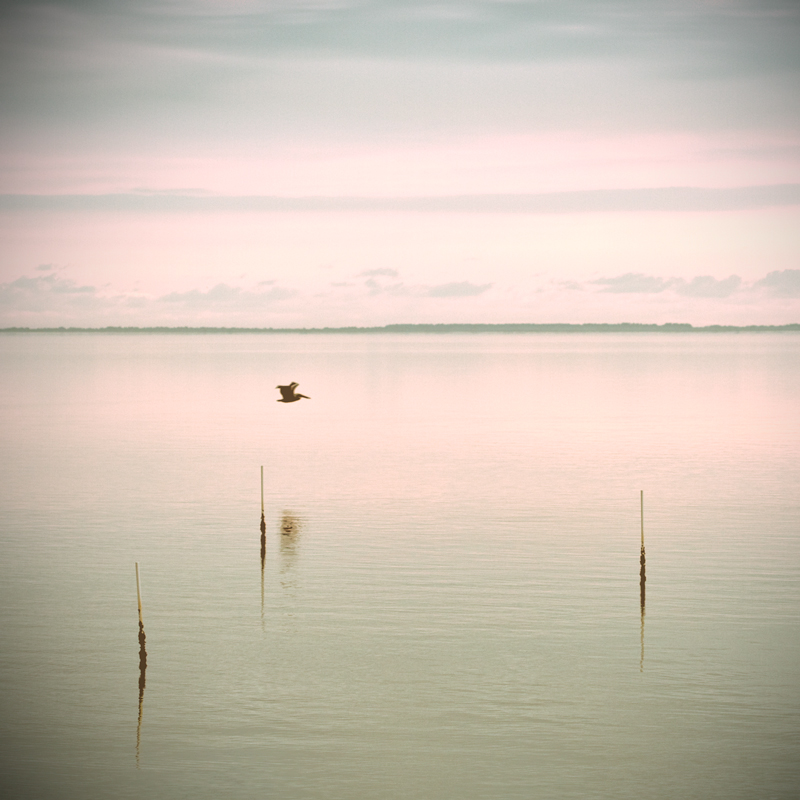
The hospital’s location in north Brevard County reflects both historical accident (the founders were Brevard residents) and ongoing geographic advantage. Titusville sits at the boundary between the Indian River Lagoon ecosystem (which contributes a large fraction of intake from boat strikes, fishing-line injuries, and oil/pollution events), the inland hardwood-hammock-and-pine-flatwoods ecosystem (which contributes raptor and songbird intake), and the larger Mosquito Lagoon and Canaveral National Seashore systems (which contribute coastal and marine species).
The hospital’s intake area covers approximately a 100-mile radius, which from Titusville reaches Volusia County to the north, the Orlando metropolitan area to the west, and the Indian River and St. Lucie counties to the south. The location is well-positioned for regional coverage.
Funding and operations
As a nonprofit organization the hospital relies on a combination of individual donations, foundation grants, corporate sponsorships, and earned revenue (educational programs, occasional contract work for state and federal agencies). The facility receives no direct ongoing state or federal funding; permit-issuing agencies provide regulatory oversight but not financial support.
Annual operating budgets are in the range of $500,000–$1 million depending on the year, with significant variability driven by major events (oil spills, hurricanes, disease outbreaks) that drive intake spikes and corresponding expense increases. The 2010 Deepwater Horizon oil spill, the 2011 Indian River Lagoon superbloom, and several Atlantic-coast hurricane events have each produced extraordinary expense periods for the hospital.
Volunteer labor is the operational backbone. The hospital maintains a volunteer corps of several hundred individuals, with hundreds more occasional volunteers contributing on event-specific or seasonal bases. Training requirements vary by role; the more skilled rehabilitation work requires extensive supervised training.
Educational mission
In addition to direct animal care, the hospital operates a substantial educational program. School visits, public open-houses, and traveling presentations using non-releasable educational-ambassador animals expose Brevard and surrounding-county residents to native wildlife and to the ecological context of the region.
The educational mission is closely tied to the hospital’s intake reality: many of the injuries the hospital treats are human-caused (vehicle strikes, fishing-line entanglements, plastic pollution ingestion, glass-window collisions, cat predation). Reducing human-wildlife conflict through education is a documented strategy for reducing intake demand over time, and the hospital’s educational programs are aligned with that goal.
The 2021 manatee mortality response
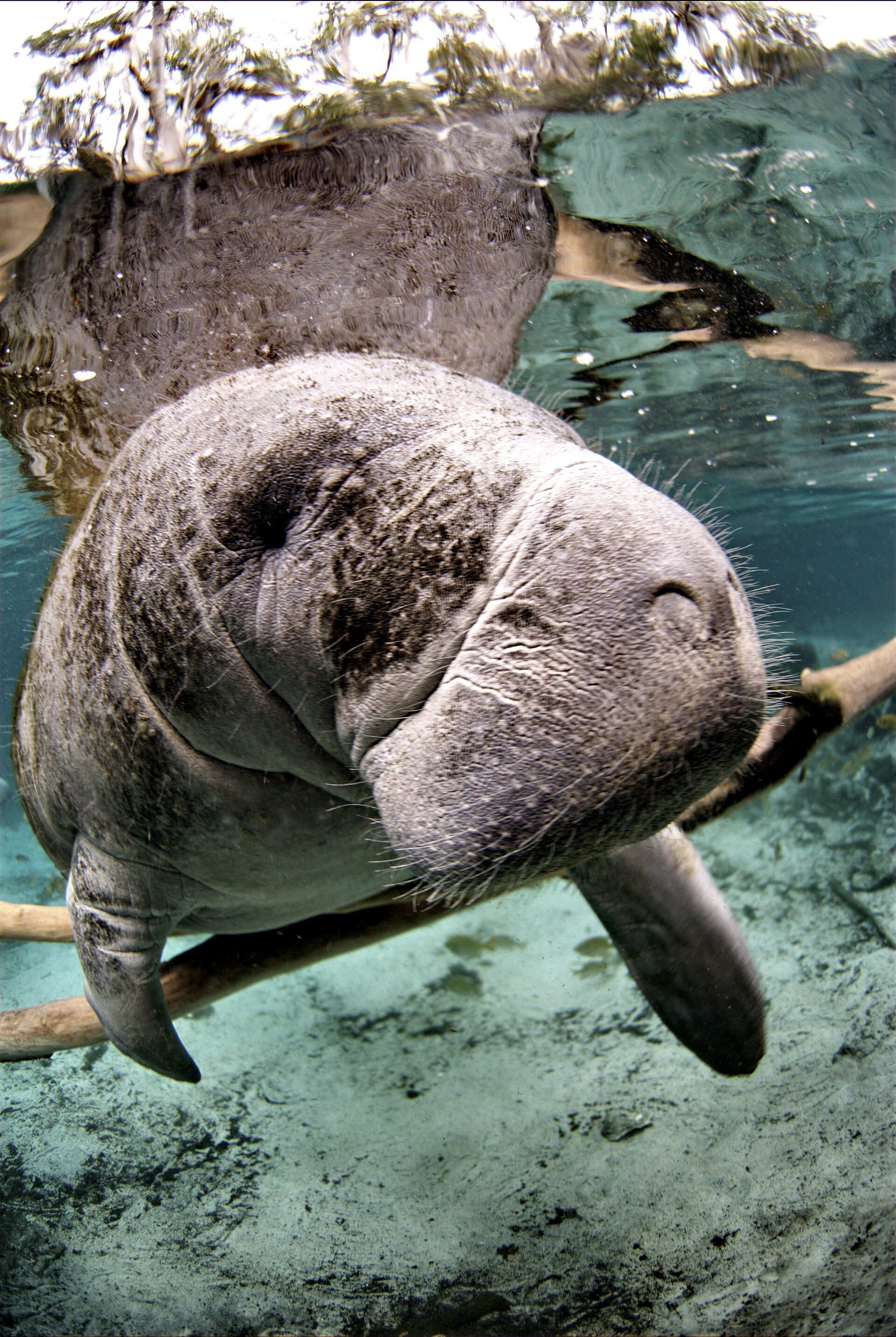
The hospital’s biggest single operational challenge in its fifty-year history came during the 2021 to 2022 manatee Unusual Mortality Event in the Indian River Lagoon. Per Florida Fish and Wildlife Conservation Commission data, approximately one-third of the U.S. manatee population uses the Indian River Lagoon during some part of the annual cycle. The 2011 seagrass collapse, which destroyed 32,000 acres of seagrass per the lagoon’s published profile, left the wintering manatees without their primary food source. Through the winter of 2021 to 2022, manatees aggregating in the warm-water discharge plumes at Cape Canaveral and elsewhere along the lagoon began starving in large numbers.
The Florida Wildlife Hospital’s role was triage and rehabilitation for the lighter-end cases the larger marine-mammal facilities at SeaWorld Orlando and the Brevard Zoo could not absorb. The intake numbers spiked sharply through the winter months. Animals brought in alive with treatable conditions, malnutrition, secondary infections, boat-strike injuries on top of starvation, were stabilized and either rehabilitated for release or transferred to longer-term care facilities.
The federal supplemental-feeding program at the Florida Power and Light Cape Canaveral discharge site, the first time the U.S. Fish and Wildlife Service had deliberately fed wild manatees at scale, took most of the population-level pressure off after late winter 2022. The Florida Wildlife Hospital’s role in the response, alongside the larger marine-mammal facilities and the volunteer organizations that coordinated transport and reporting, made it one of the operational lessons of a multi-agency emergency response that the lagoon’s worsening ecological condition will probably require the hospital to repeat.
How the hospital fits Brevard County’s identity
Brevard County is one of the most ecologically diverse counties in Florida. The county encompasses the Indian River Lagoon (one of North America’s most biodiverse estuaries), Cape Canaveral National Seashore and the Merritt Island National Wildlife Refuge (federally protected lands managed in conjunction with NASA’s Kennedy Space Center operations), large remnants of Florida’s hardwood-hammock and pine-flatwoods ecosystems, and substantial freshwater wetland systems.
The Florida Wildlife Hospital is one of several institutions that maintain the county’s relationship with its native ecology in the post-development era. The Brevard Zoo, the Brevard Nature Alliance, the Indian River Lagoon Council, and the various federal-and-state-managed natural areas all contribute to the broader infrastructure. The hospital occupies a specific role within that infrastructure: the regional triage facility for individual injured animals.
For a Titusville resident who finds an injured pelican on the lagoon waterfront, an injured owl on a US-1 roadside, or a sick raccoon in their backyard, the Florida Wildlife Hospital is the practical first call. That direct service relationship, sustained for over fifty years, is the institution’s most durable contribution to north Brevard’s civic life.
Further Reading
As an Amazon Associate we earn from qualifying purchases.