Citrus shipping from Titusville, 1880s through the 1894 freeze
For a decade Titusville moved more Indian River citrus to Northern markets than any other point on the lagoon. The 1894–95 freeze ended it overnight.
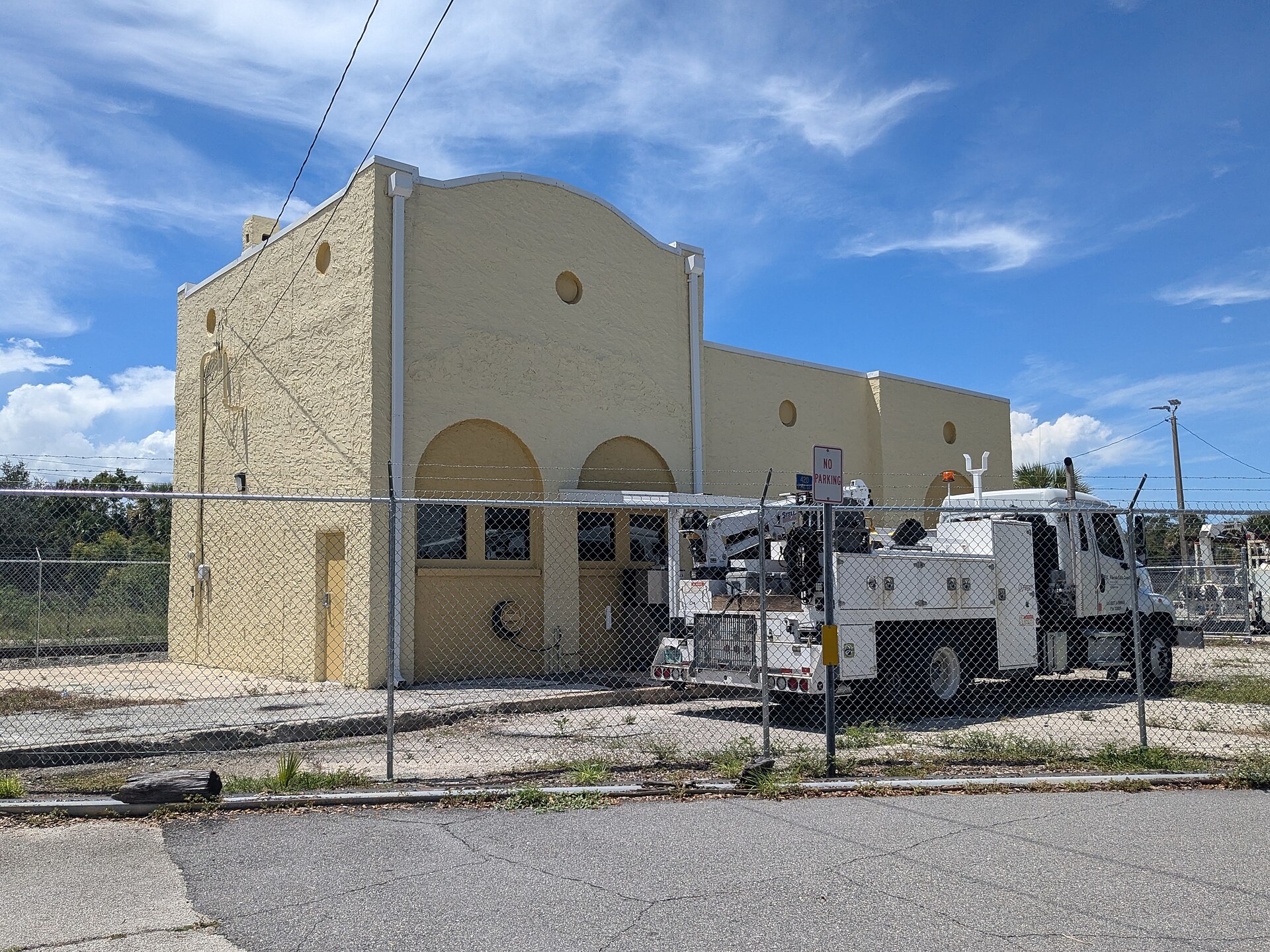
Through the 1880s Titusville handled more Indian River citrus than any other point on the lagoon. The combination of FEC rail access at the depot (from 1885 forward) and the Indian River steamboat network funneling grove output from south Brevard north made the bluff at Sand Point the choke point for the entire region’s citrus trade. Then the freeze hit, in two waves in December 1894 and February 1895, and the trade collapsed.
Florida had been growing citrus commercially since the 1820s, but the Indian River groves had a distinctive product. The brackish lagoon, the sandy ridge soils, and the moderate climate, protected on the west by the river and on the east by the barrier island, produced fruit with a thinner skin and a higher juice yield than central Florida or Indian River-side groves to the south. “Indian River” became a brand name that survives into the 21st century, recognized by USDA grade-standard documents and protected at points by federal labeling rules.
How the trade worked
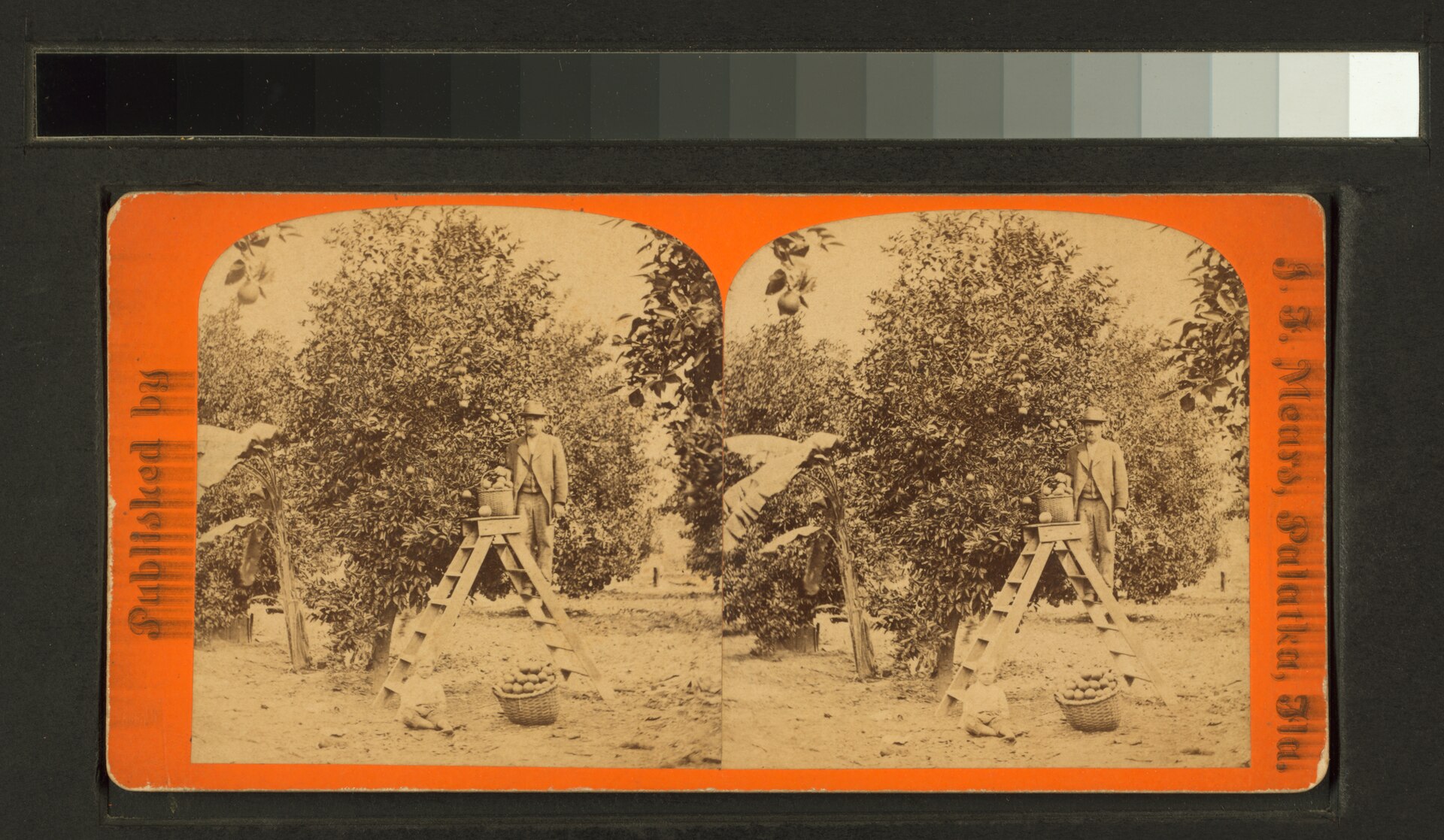
A grove operator on the Indian River in the 1880s, say at Rockledge, or Eau Gallie, or one of the small Merritt Island plantings, would pick fruit through the winter season (roughly December through March, with the peak in January). Fruit moved from grove to lagoon dock by horse cart. From the lagoon dock it went onto an Indian River steamer, north to Titusville. At Titusville it transferred from boat to rail. The FEC ran it to Jacksonville, where it joined the broader rail network heading north to Atlanta, Charleston, Washington, Philadelphia, New York.
The full transit time from Indian River grove to New York grocer was roughly seven to ten days in the late 1880s. That was a major improvement over the pre-rail era (when the same fruit moved Jacksonville-bound by river-steamer and arrived at retail closer to two weeks after picking), and it was enough to make Indian River citrus profitable in Northern winter markets where local supply was zero.
The 1894 grove infrastructure
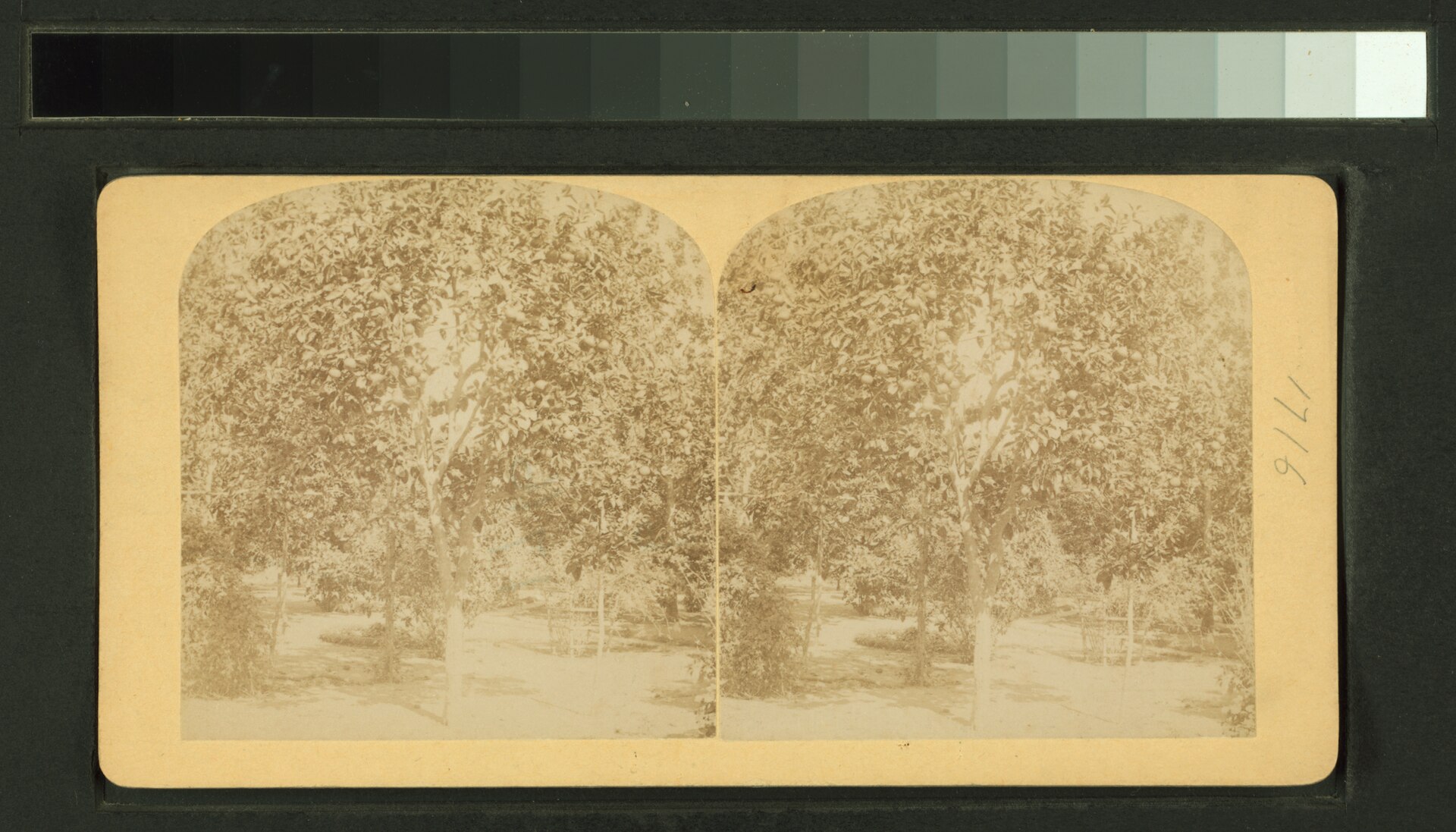
By 1894 Brevard County’s grove infrastructure was substantial. UF/IFAS estimates and contemporary USDA reports put the total citrus acreage in the Indian River region at over 40,000 acres at the 1894 peak, with output that year approaching record levels. Grove operators ranged from small family operations (5–20 acres) to larger commercial concerns (hundreds of acres each). Several Titusville and Mims-area groves were among the larger ones.
Most of the grove labor was Black, much of it from families who had arrived in the area in the post-Civil War period or from the small pre-Civil War free-Black communities documented in the 1860 census. Wage rates were low; the work was seasonal; the housing was poor. The labor relations of the 1880s Indian River citrus economy are not well-documented in the surviving record, but the basic shape is legible from federal labor reports and from the 1890 census occupational data.
The freeze
The Great Freeze of 1894–95 came in two waves. The first, on December 27–29, 1894, dropped temperatures along the Indian River into the high teens overnight. Most groves lost their crop but not their trees. The second freeze, on February 7–8, 1895, hit a region whose groves had begun to push new growth in the unusually warm weeks between the two events. That second freeze killed the trees themselves.
USDA’s Yearbook of Agriculture 1894 (published the following year) documented the loss. Florida’s commercial citrus production fell by roughly 90% the following season. Many groves that had been productive in 1894 were dead stumps by 1896. Replanting and recovery took twenty years in much of the region. Some groves were never replanted.
The Indian River region was hit hardest at its northern end. Titusville’s immediate area, including Mims, was at the northern edge of the climate zone that supported reliable citrus. Groves at Mims and at Titusville’s northern outskirts were less likely to recover than groves at Rockledge or further south. The economic catastrophe in north Brevard was, in proportional terms, larger than in central or southern Brevard.
After the freeze
The citrus shipping trade through Titusville’s FEC depot did not return to 1894 levels in the 20th century. Several factors compounded the recovery problem:
- The FEC kept extending south. By the late 1890s the railroad served the surviving citrus regions directly without needing Titusville as a transshipment point.
- Central Florida’s inland groves recovered faster than Indian River because they were less exposed to the second-freeze-after-replanting pattern. Lake Wales, Winter Haven, and the Polk County interior surged as Florida’s citrus center, displacing the Indian River region’s dominance.
- The Indian River brand persisted as a premium label for what remained of the lagoon-adjacent grove industry, but the volume was a fraction of the pre-freeze level.
What’s still there
Some Indian River groves recovered and persist. Several large operators in the Mims area and on Merritt Island ran continuously from before 1894 through the 20th century into the 21st. The Mims Brothers name in Brevard County citrus, the Indian River Citrus League as a regional organization, and the Indian River fruit appellation on grocery-store oranges and grapefruits all carry forward the older trade. Total acreage is much smaller than the 1894 peak and continues to shrink under pressure from citrus greening disease (HLB) since the early 2000s.
The freeze of 1894–95 reset the Indian River region’s economy in a way nothing else before the Apollo program would match. Titusville survived because it was the county seat and had a hotel-and-government commercial base independent of citrus. Other lagoon-side towns that depended more heavily on citrus shipment never fully recovered their late-1880s trajectory.
The Indian River brand as a federal designation
The Indian River appellation that emerged in the 1880s grove trade became a federally protected designation in the 20th century. The U.S. Department of Agriculture grade-standard documents recognize “Indian River” citrus as a regional designation tied to specific Florida counties along the Indian River corridor, with the designation enforceable as a labeling matter under federal marketing regulations. The Indian River Citrus League, organized formally in 1930, holds the registered marketing claim and operates a grade-and-certification program that allows member growers to use the Indian River name on packing-house output.
The brand’s premium pricing in the post-freeze era was what allowed the surviving Indian River growers to compete with the larger-volume Polk County operations that had displaced them on raw production numbers. Indian River grapefruit, in particular, carried a thinner skin and higher juice content than inland-Florida grapefruit, and the premium price the brand commanded made small-acreage Indian River groves economically viable in a way comparable small-acreage inland groves were not. The same brand differentiation persists in 2026, even as citrus greening disease has shrunk the total Indian River acreage to a fraction of its 1894 peak.
The Titusville depot’s role in establishing the brand is part of why the appellation crystallized when it did. Through the 1885 to 1893 window, virtually all Indian River fruit moving to Northern markets passed through the Titusville rail facility. The buyers at Jacksonville and points north got accustomed to “Indian River” as a quality designation precisely because that was the label on the boxes moving through the FEC choke point. The trade name became the brand name became the federally protected appellation, all downstream of a decade when the geography forced the funnel through one town.
What to read for context
John McPhee’s Oranges (Farrar, Straus and Giroux, 1967) is the standard non-academic account of Florida citrus, with substantial coverage of the post-freeze economic restructuring. UF/IFAS’s Citrus Research and Education Center maintains historical records on grove acreage, production, and disease pressure. USDA’s annual Yearbook of Agriculture through the 1890s documents the freeze in real time from the federal perspective.
Further Reading
As an Amazon Associate we earn from qualifying purchases.